Article
27 October 2025
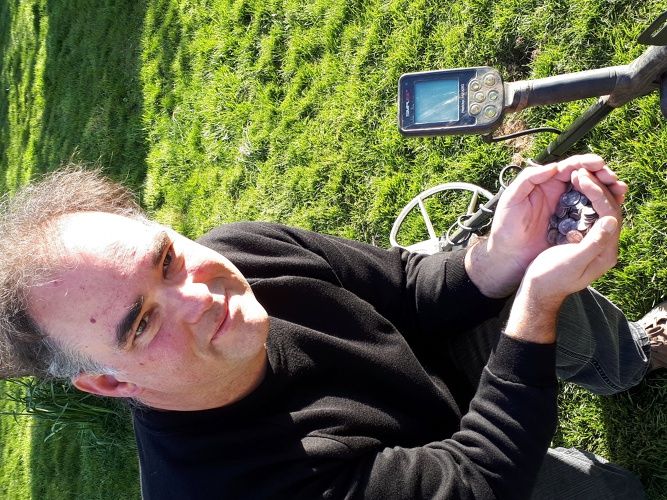
It was Ash Wednesday (March 21, 2021), when 49-year-old metal detecting enthusiast Trenton Oliver, a computer engineer from Dorchester discovered a truly remarkable find – 97 Roman silver denarii, dating from 141 BC to 46 AD in a field in the leafy Dorset village of Chilfrome. The collection, which is being sold in 57 lots will be offered at Noonans Mayfair (16 Bolton Street) in an auction of of Coins and Historical Medals on Wednesday, November 12, 2025 and is expected to fetch in the region of £6,500.
As Trenton, who has been metal detecting since the age of 11, recalls: “I was at work that day, but decided to go out for a while on the way home with my Nokta Makro Simplex+ to one of the several fields that I have permission to search on – through my computer business, I look after several farmers computers and they allow me to go on their land. On this particular day, I was on my own digging a hole when my metal detector started making a very odd sound – going louder then faint and wondered “what the hell is going on”. I didn’t realise when I was digging that I was already unearthing coins and I found one, then another, then another.”
He continued: “I tried to call the landowner to get them to come to see and also ask them to bring some bags as I had nothing to put all the coins in – she came out and saw me find the last coins. I had to take them to my parents to wash them, as I hadn’t told my wife, Stella that I was out detecting but I had to own up, as we have an agreement that I don’t go out detecting at Bank Holidays but when I contacted the Finds Liaison Oficer, they wanted to send out an archaeologist from Dorset Museum on Good Friday!…”
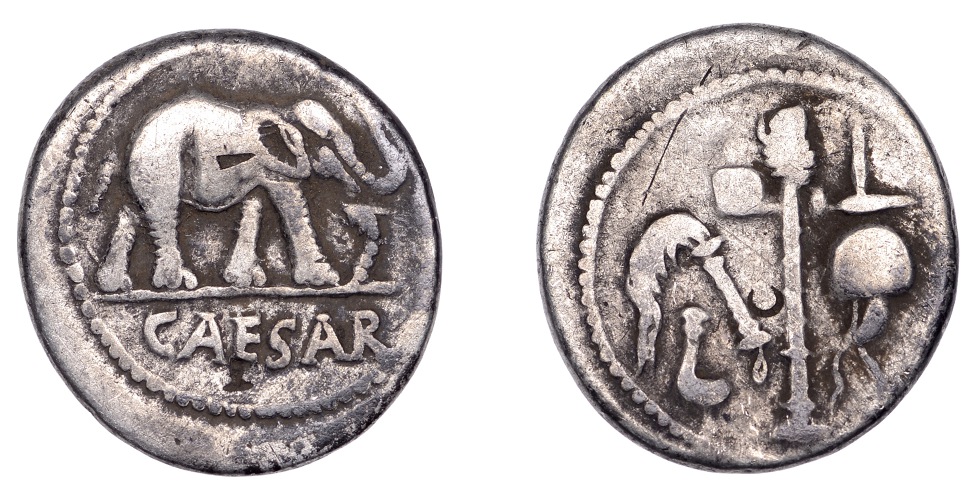
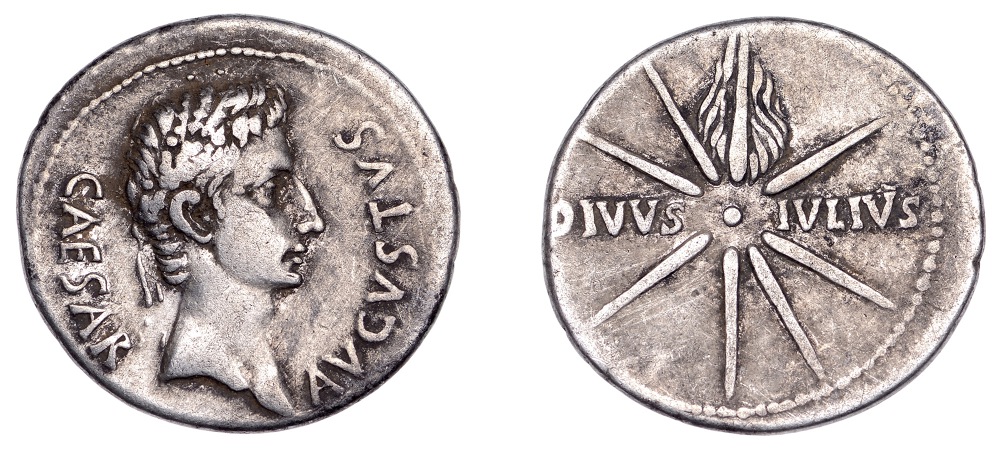
He continues: “This is my first really big find, I have found other Roman coins, Viking silver ingots and even a gilded silver whistle which is now at the British Museum. My favourite coins in this hoard are the those with an elephant from the reign of Julius Caesar and with Halley’s comet from reign of Augustus – they are stunning.” [lots 281, 282 and 286].
The hoard was disclaimed by the Dorset Museum and is therefore being sold at auction.
Trenton, who also volunteers at the Cerne Abbey digs, will feature in a forthcoming Time Team episode on Youtube. He will share the money from the sale of the coins with the landowner and is putting his portion towards a new house.
As Bradley Hopper, Head of Coin department at Noonans added: “This is an extremely exciting collection that represents the beginning of the Roman Occupation in Britain and is a testament to a key event in British history in 43AD and the conquest of the British Tribes. The hoard was deposited right at the heart of this activity around 47AD, lying almost equidistant between the important hill forts and not only is it of importance to the history of Dorset, it is important nationally as it is the only known purely Roman hoard from the Roman invasion of South West England. Why the coins were buried is not known, but one suggestion is that the coins were the lost wages or pay-packet of a Roman soldier, but who knows!”
He adds: “Discovered between Maiden Castle and Waddon Hill (about 12-14 km as the crow flies), and also close to the Roman road which ran from Dorchester up to the Mendip lead mines which the Legio II Augusta began to exploit in the late 40s, the Chilfrome hoard lay for two thousand years undisturbed by agricultural activity and was found by Mr Oliver in a single tight nucleated group. Extensive metal detecting and a later archaeological excavation have produced no additional coins.”
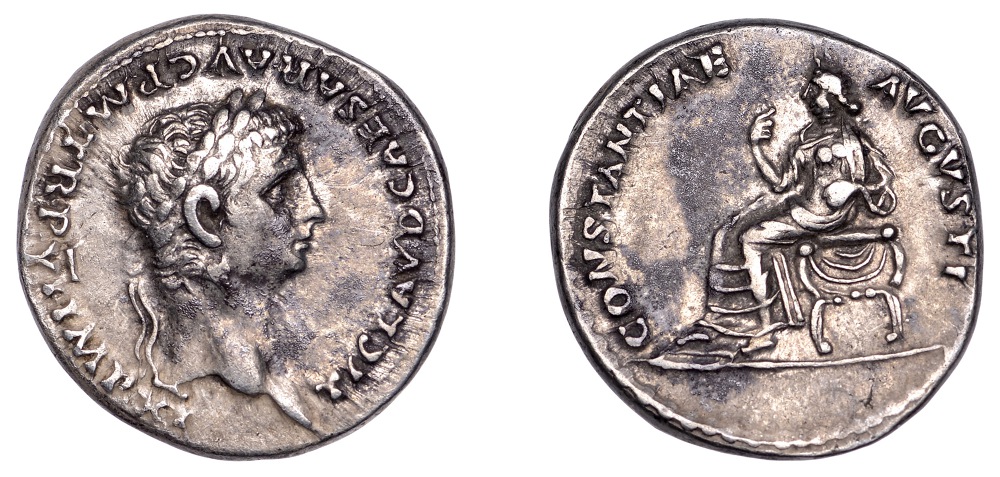
Estimates range from £40 to £800 with the highlight being a historically significant denarius from the reign of Emperor Claudius (AD 41-54) which is estimated at £600-£800 [lot 316].
Share This Page