Article
22 January 2026
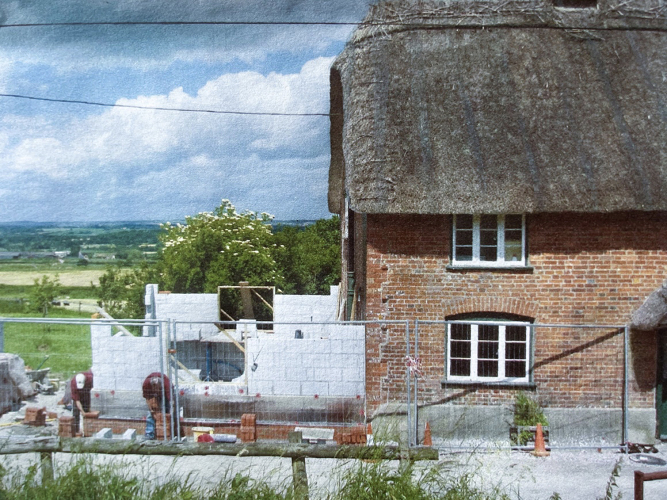
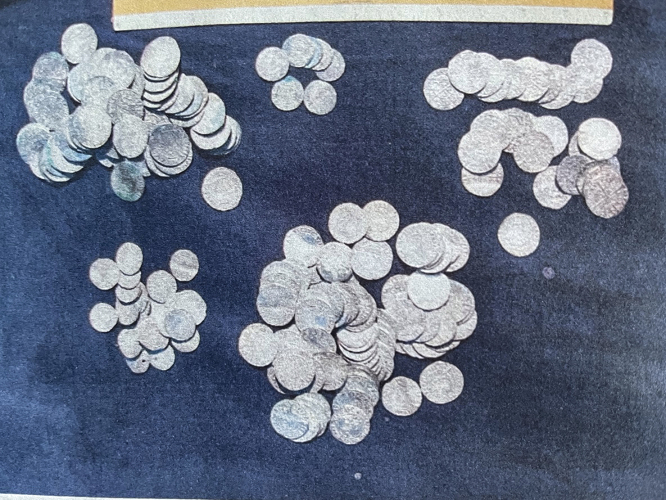
It was 22 years ago when Peter Gray was called by the builders who were working on a new extension to his house, Littlebrook Farm in Belchalwell Street, near Blandford Forum in Dorset, to say that they had discovered a pottery vessel containing 213 coins!
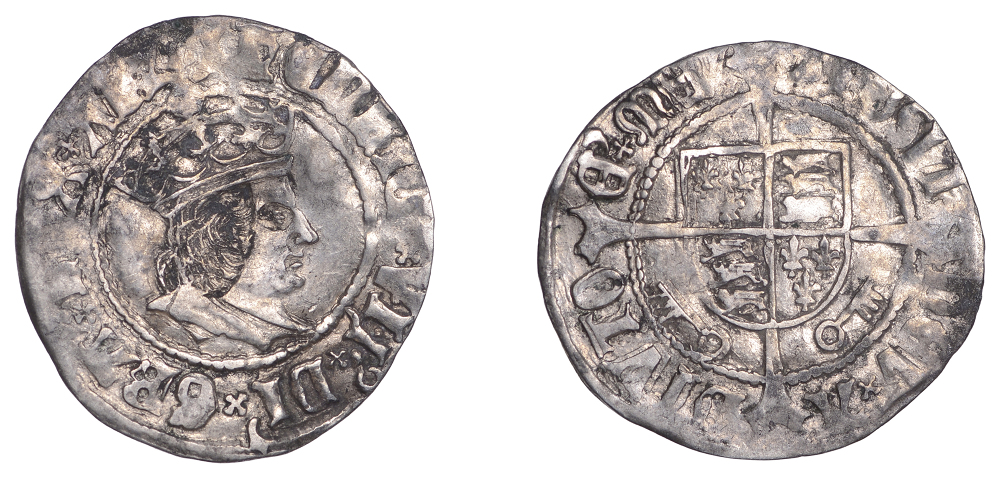
200 of the coins, the majority dating from the reign of Henry VII (1485-1509) will be offered in an auction at Noonans Mayfair (16 Bolton Street) on Tuesday, February 10, 2026. The coins will be sold individually and are expected to fetch in the region of £30,000.
Peter, who is now 79-years old, and a retired international bank inspector is selling the coins because he and his wife Jackie are moving house. He recalled: “The builders were removing the parking area with a mechanical digger when they discovered some terracotta tiles, and when they removed them, they unearthed the pottery vessel. The cottage dates from the 1500/ 1600s and it was a wonderful surprise when I was told about them – you never expect to find a hoard of coins! Who they belonged to, we don’t know, but the cottage isn’t too far from the Dorset Gap which was a route that linked the South Coast to Dorchester and Salisbury, so it is possible that they were hidden by a smuggler!”
Mr Gray went through the Treasure Trove process, and 13 coins were bought by Dorset Museum. He also bought out the builders, who were eligible to half the proceeds.
As Jim Brown, Coin Specialist at Noonans explains: “The Littlebrook Hoard was originally called the Okeford Fitzpaine Hoard, when it was discovered in May 2004 at the grade 2 listed dwelling. The hoard comprises 213 silver coins, consisting of 176 groats and 37 half groats in varying condition with the bulk dating from the reign of Henry VII (1485-1509). The coins are all English silver issues and of the official sterling silver standard. The fact that the coins were discovered in a container is clear evidence that they were deposited on a single occasion and they represent a selected body of higher value silver coins from the currency of the early sixteenth century, before the new weight standard of 1526 was introduced. The earliest coin recorded was a half groat from the reign of Edward III, dated c. 1351-2, and the latest a half groat issued from York after Wolsey was appointed bishop in 1514. The coins are thought to have been deposited probably c. 1514-1520.”
He added: ”The pottery jug, which sadly was broken during the lifting, is of simple design with a crimped edge and was confirmed by the British Museum as dating from the late fifteenth century and originating from the Ruhr area of Germany – this is also at the Dorset Museum.”
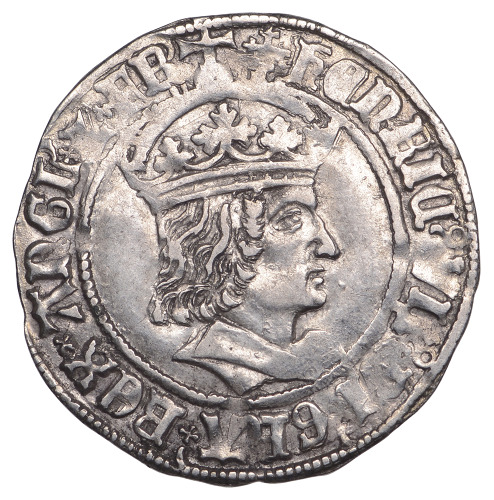
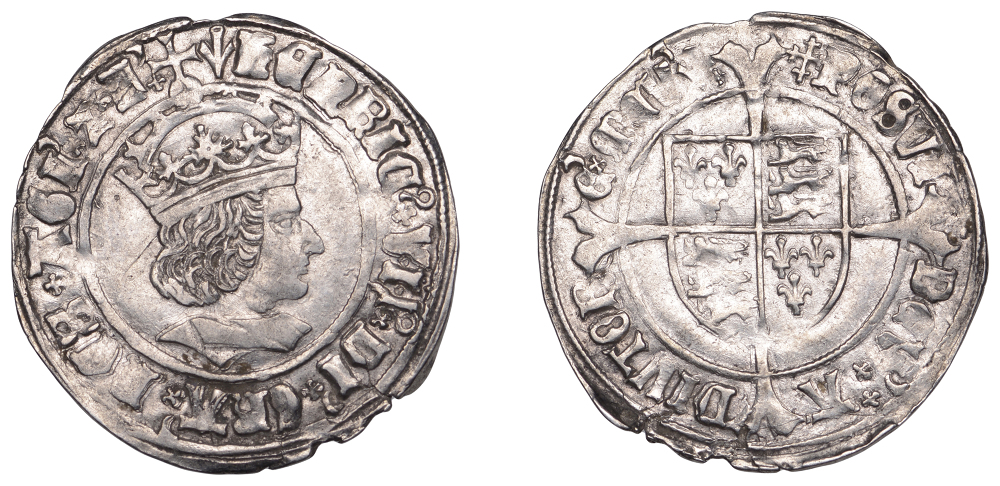
Highlights include five rare coins that all date from the reign of Henry VII. A Tentative issue Groat with an excellent portrait carries an estimate of £400-500 [lot 237]; while a Groat with double mintmark (cross-crosslet and pheon) on reverse is estimated at £300-400 [lot 262]; and from York, an extremely rare Halfgroat is expected to fetch £200-300 [lot 365]. Also of note is a Groat with mintmark pheon which is estimated at £200-300 [lot 369] and another with mintmark portcullis over T that is expected to fetch £300-400 [lot 396].
Share This Page