Article
29 June 2026
HOW A BOYHOOD ENTHUSIASM TRANSFORMED INTO A LIFELONG PASSION AND OUTSTANDING EXPERTISE FROM WHICH SO MANY OTHERS BENEFITED
Although Gary Oddie (1965-2025) died relatively young, his early enthusiasm meant that he achieved an impressive 46 years as a dedicated collector of coins, notably shillings English regal shillings from Henry VIII to our current king, Charles III.
Now Noonans are honoured to offer this remarkable collection in 492 lots comprising 602 pieces on 17 September, when it is expected to raise over £350,000.
To comprehend the extent and importance of the collection, it is worth considering the man himself first. Gary Oddie was born in Clitheroe, Lancashire, on 23 January 1965. A physics graduate from the University of York, he undertook teacher training at Keele University in 1986 before going on to complete a doctorate at Cranfield University, in Bedfordshire and then dedicating his career to scientific research, and in particular fluid dynamics.
Later, as an established authority on his chosen field of collecting, Gary’s door at his home in St Neots, Cambridgeshire was always open to the pilgrim numismatist. There they would discuss coins or tokens, examine items from his wonderful collection, consult volumes from his vast numismatic library – and enjoy the hospitality, provided six days a week by the fish and chip shop directly across the road from his house.
Though a scientist by training, Gary was no staid academic wearing a tweed jacket with elbow patches; indeed, he was usually seen sporting a shirt from his ‘black’ wardrobe featuring his beloved heavy metal rock band AC/DC, with wild, unkempt hair sticking out at all angles.
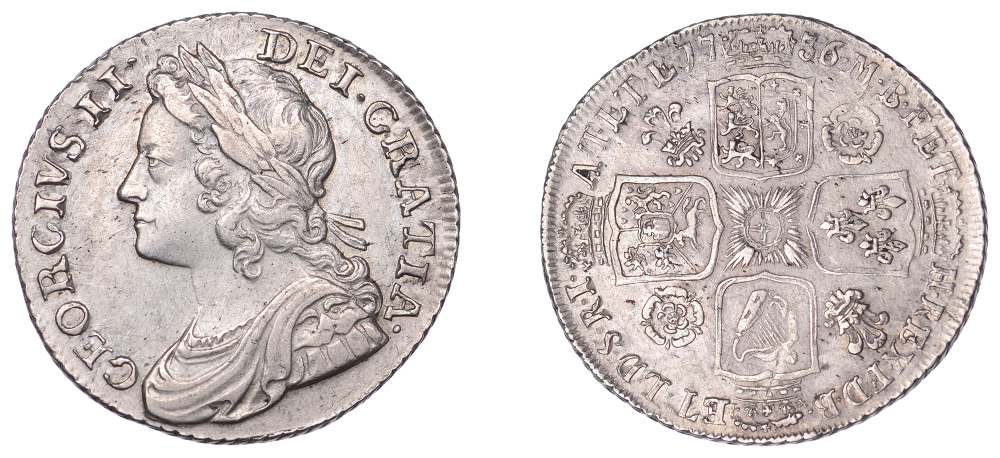
At the heart of his personal tastes, however, ran the rich seam of collecting. The bug caught him early, as Peter Preston-Morley, Special Projects Director (Numismatics) at Noonans, explains: “Gary’s great passion in life started as a child around the age of eight, when he was introduced to coins, although the survival of a letter to the family from Robert Sharman at Seaby’s, dated 14 March 1969, which related to a modern penny that had been acid-washed, demonstrates an earlier family interest in numismatics. Frequently visiting Jim Bridgeman’s coin shop in Blackburn Road, Accrington, to spend his pocket money, one day in 1978 Jim showed him a 1736 George II shilling in nice condition – and Gary never looked back. He leaves a numismatic legacy that will be hard to surpass.”
An active member and contributor to many different coin forums, writing and presenting at multiple conferences over the years, Gary became an internationally recognised expert and advisor on many topics.
His enthusiasm for numismatics was boundless and infectious – if you had an issue or a query, he would pursue it until he found the answer. This was often then swiftly followed by an article or a blog, to share with everyone.
“Although English silver shillings were his prime collecting passion, Gary’s interest in the denomination soon spread across the sea to Ireland, to overseas territories, to silver and other local tokens, even to paper money and postal orders – anywhere that the shilling had been a recognised form of monetary exchange,” said Peter Preston-Morley.
Among the highlights of this sale is a 1736 shilling, for which Gary exchanged his entire schoolboy collection, and that started a passion for collecting shillings which never left him. The estimate is £120-150.
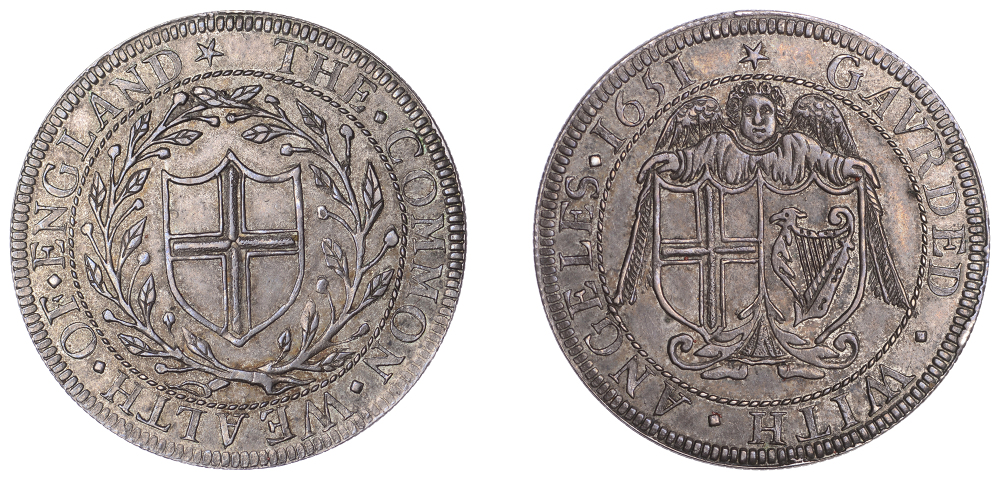
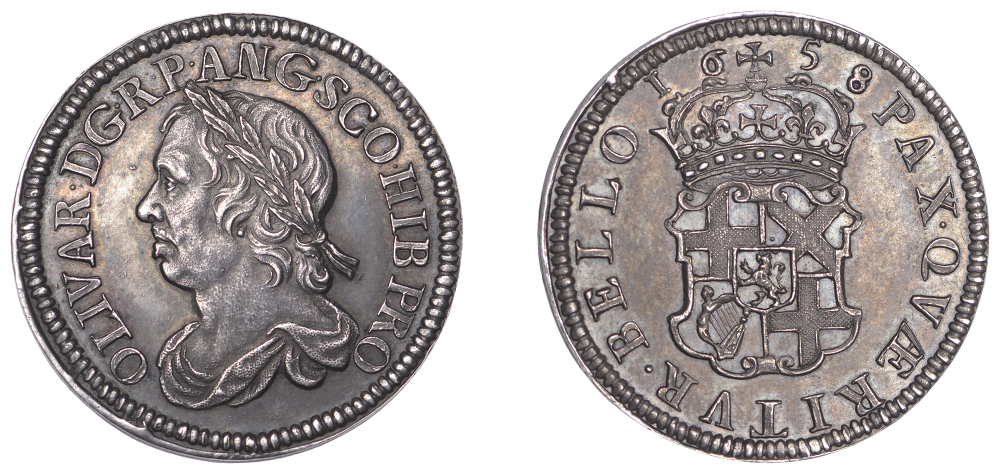
However, the shilling that was Gary’s pride and joy was the Duke of Devonshire’s specimen of David Ramage’s 1651 pattern, estimated here at £30,000-50,000, while an extremely rare Cromwell Shilling struck by Johann Sigismund Tanner for Richard Arundell, Master of the Mint, in 1738, carries a guide of £15,000-20,000.
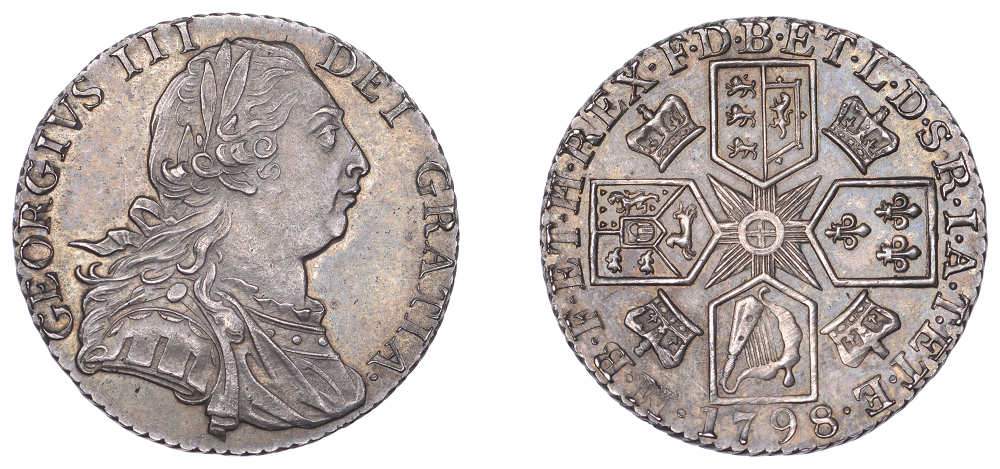
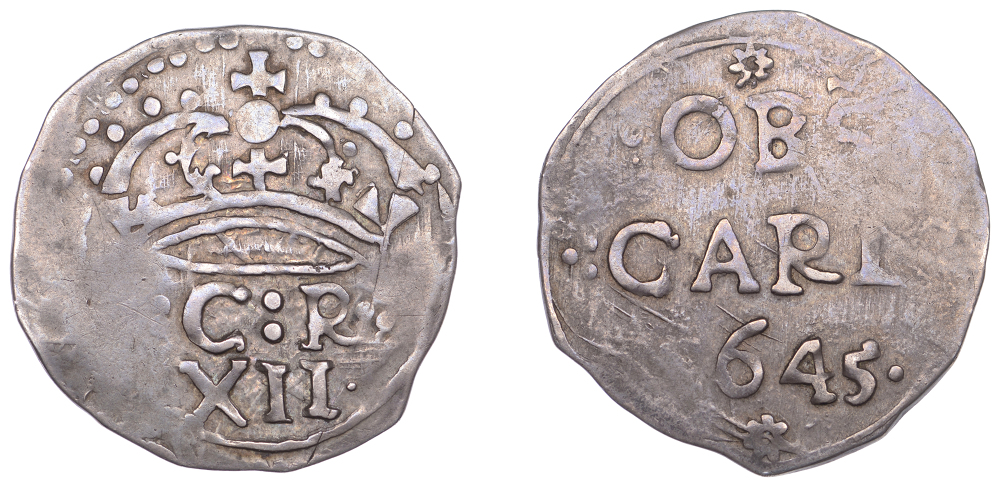
Elsewhere, a celebrated ‘Dorrien and Magens’ Shilling from 1798 is expected to fetch £15,000-20,000, and Herbert Lingford’s Carlisle siege issue shilling from the reign of Charles I (1625-1649) dating from 1645, has hopes of £10,000-15,000.
Share This Page